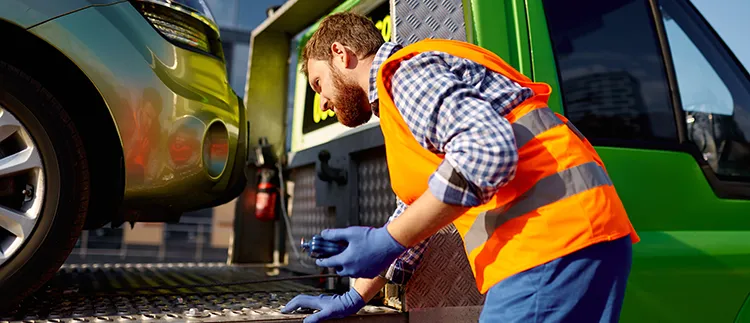
Ah, loyalty. Companies love to claim they value it, but sometimes it feels more like the idea of loyalty, not the actual thing. Loyalty programs, customer appreciation, “special deals” — it all sounds great in theory, but what happens when those claims fall flat? A recent LinkedIn (Source) article about a major UK breakdown service provider is a perfect example of how a company can go from “loyalty reward” to “loyalty betrayal” in the blink of an eye. Spoiler alert: Price hikes, bad customer service, and a general sense that they just don’t get it.
Here’s the lowdown. A loyal customer saw their breakdown cover renewal price increase by a hefty 30%. Ouch. A quick Google search showed the same coverage from a competitor for much, much less. Imagine that – you’ve been loyal, and in return, you’re greeted with an eye-watering price hike that, in the grand scheme of things, seems completely unjustified. Why would a company assume that loyal customers wouldn’t shop around, especially in an industry like breakdown cover where prices are as competitive as a Black Friday sale?
Now, here’s where it gets interesting. Instead of taking a moment to address this, the company sends the customer on an adventure with a robot. After dialling the number on the renewal notice, the customer was directed to WhatsApp (because why not add more automation?). And after multiple exchanges with no fewer than six different agents — plus some bot-generated responses — the experience felt more like a game of ping-pong than customer service. It was clear: This company was more interested in sending messages than solving problems. That’s not loyalty — that’s a race to the bottom.
Let’s pause for a second. Imagine if, instead of throwing bots at the customer, a real person had picked up the phone and listened. A human. They could’ve offered a discount, explained why prices went up, and even asked the customer if they wanted any additional perks. Picture it: “Hey, we value your business. How about we work together to find a solution that works for you?” Sounds like the recipe for a happy, loyal customer, right? But nope. Instead, they doubled down on automation and left the customer feeling, well, like they were on the losing end of a bad deal.
It’s not just about this breakdown company. It’s a much larger problem. Whether it’s B2B or B2C, building a solid relationship with customers takes time. Money too. If you’ve ever done any marketing or sales work, you know that customer acquisition costs are through the roof. So why would anyone throw that away by treating loyal customers poorly? The real gold mine isn’t just about signing up new customers. It’s about keeping the ones you’ve got — especially those who have been with you for years. Unfortunately, companies like this one seem focused on “new business” instead of retaining business.
Let me hit you with another example — this time from the hospitality world. One of our clients built a new bar a few years ago. For bars that sell soda, suppliers typically provide the equipment — like those post-mix machines (the ones that mix the syrup and soda). It’s a symbiotic relationship; you get the equipment; they get the sales. Simple, right? But their original supplier refused to help with the new bar. Guess what? Another supplier swooped in, offered to provide the equipment, and locked in the business. Why? Because they were “winning business from a competitor.” Sure, in a few years, that supplier will probably hike up the prices. But by then, the original supplier will likely come crawling back with a great deal to remove the new equipment. It’s all a game of one-upmanship.

Now, let’s talk about something everyone’s all excited about — AI. We work in tech, so we’re big fans of artificial intelligence. It’s not all hype; AI can revolutionize customer service in many ways. But here’s the deal: throwing AI in front of a frustrated customer who is thinking about walking out the door? Not the right time. We all get that AI can handle repetitive tasks and offer helpful suggestions, but when things go sideways, what customers really want is a real, live person who can listen, empathize, and solve the issue. Nobody wants a robot sending them in circles when they just want their problem fixed. AI has its place, but when you’re trying to keep someone from leaving, human connection is key.
So, what’s the takeaway here? Companies need to stop treating loyalty like a buzzword and start treating it like it’s real — because it is. Loyalty is earned, not assumed, and it doesn’t come from inflating prices and sending automated messages. If businesses want to avoid a race to the bottom, they need to focus on building long-term relationships with their customers. Offer value, treat people like human beings, and understand that keeping a loyal customer is way more profitable than constantly chasing new business. Because in the end, a loyal customer is not just a number on a spreadsheet — they’re the foundation of a successful, sustainable business.
At Verstech, we’ve taken the opposite approach. Our philosophy? “The better you do, the better we do.” It’s simple: we focus on adding as much value as possible to our relationships with customers. In return, customers feel heard, appreciated, and – you guessed it – loyal. Over the past 10 years, this approach has worked wonders. We don’t rely on flashy gimmicks or impersonal automation. We talk to our customers about how we can grow together. And it’s this approach that has helped us retain customers year after year. So, let’s make loyalty work. For everyone.